
Essay
Driving on Water: Why an Electric Road Trip Makes Sense in Nepal
An essay on Nepal's electric car boom: hydropower from Himalayan rivers, cleaner air in Kathmandu, and what it feels like to glide silently along a mountain highway.
By DriveRentalNepal ·
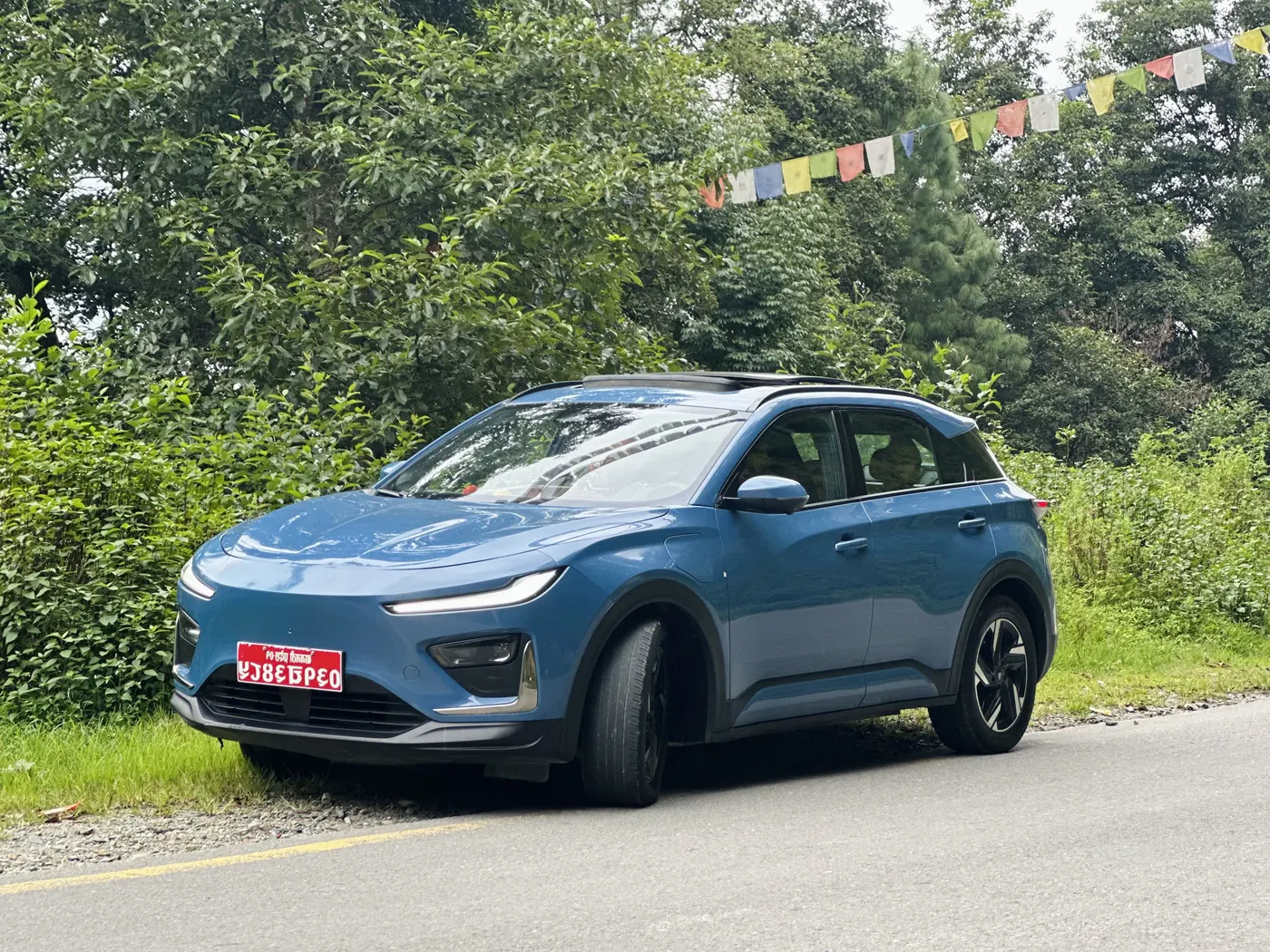
Nepal has almost no oil. Every litre of petrol and diesel arrives by tanker from abroad. What Nepal does have is water: rivers fed by glaciers and monsoon rain, falling thousands of metres from the Himalaya to the plains. Most of its electricity comes from those rivers.
Put those two facts together and an electric car in Nepal starts to look less like a gadget and more like common sense. When you drive an EV here, you are, in a real sense, driving on water.
A quiet revolution
In just a few years, electric cars have gone from a curiosity to a common sight on Kathmandu's streets. Government policy has favoured them, charging stations have spread along the main highways, and a growing number of Nepali families now choose electric for their first car.
The feel of it
Driving an EV on a mountain road is a different experience. There is no engine roar on the climbs, just a smooth, steady pull. On the long descents the car recovers energy as it slows, and you watch the range figure creep back up. With the windows down you hear the river, the birds, and the bells of a goat herd on the road ahead.
Cleaner air, one car at a time
Kathmandu's air suffers in the dry months, trapped by the hills that ring the valley. Every car that swaps a tailpipe for a battery helps a little. For visitors, choosing an EV is one of the simplest ways to travel lighter in a country that gives so much.
It asks a little more planning: charge overnight, pick a lunch stop with a charger, keep a buffer. In return, you get a quieter, cleaner journey through some of the most beautiful country on earth.