
Guide
Renting an Electric Car in Nepal: Range, Charging and Routes
What to know before renting an EV in Nepal: real-world range on hill roads, charging on the Kathmandu to Pokhara and Chitwan routes, and trip planning tips.
By DriveRentalNepal ·
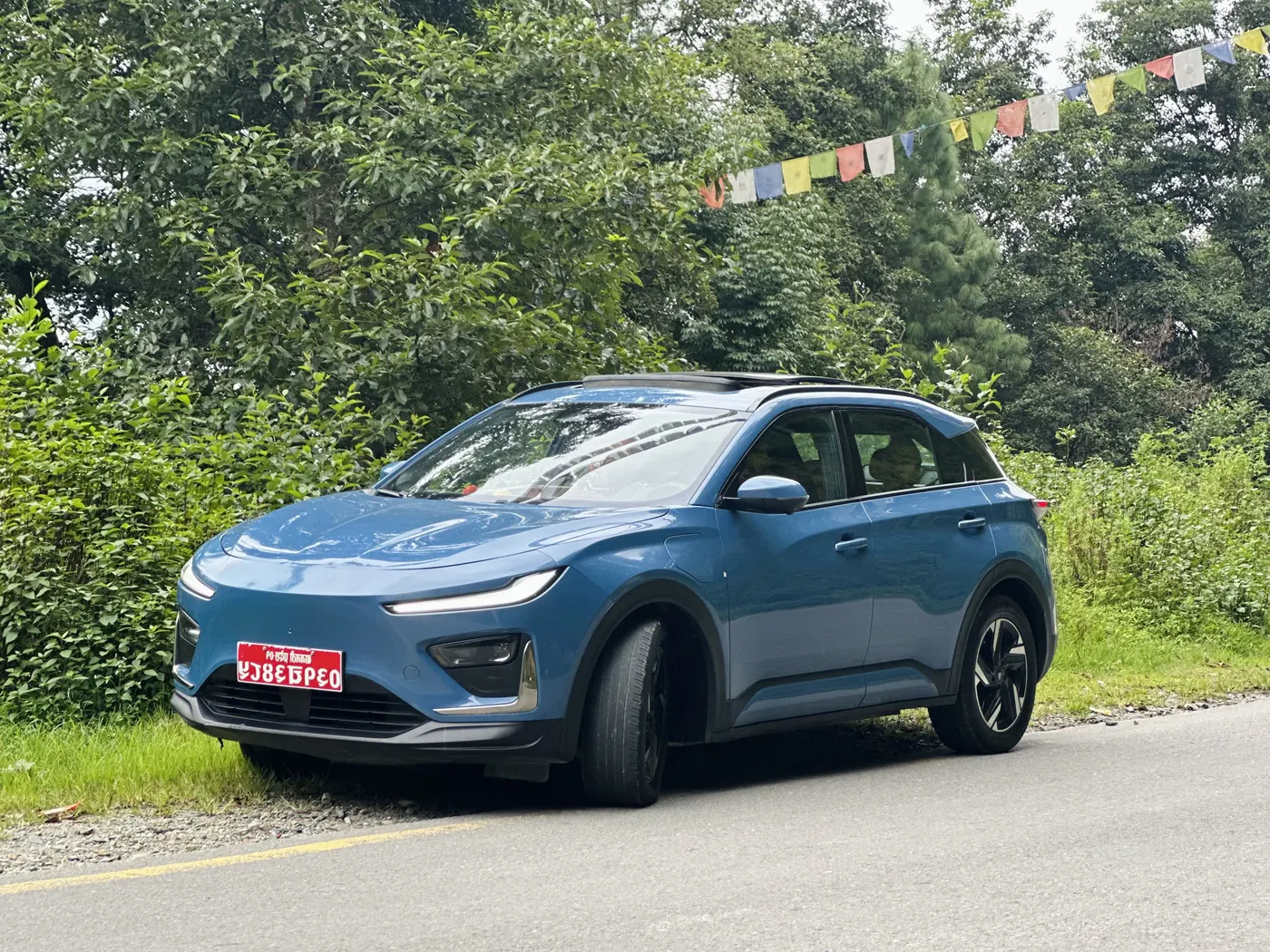
Nepal has become one of the fastest-growing electric car markets in South Asia. Electricity here comes mostly from hydropower, fuel is imported, and the streets of Kathmandu are full of BYD, MG and Tata EVs. Renting one is a quiet, smooth and cheap way to travel, as long as you plan your charging.
Range in the real world
The range printed on a spec sheet is measured on flat roads. Nepal is not flat. Long climbs, such as the one out of the Kathmandu Valley, use far more energy than city driving, while long descents give some back through regenerative braking. Air conditioning and a full load of passengers also cut range. As a rule of thumb, plan on 70 to 80 percent of the rated figure for hill highway days.
Charging on the main routes
Fast chargers now exist in Kathmandu, Pokhara and Chitwan and at points along the Prithvi Highway, run by the Nepal Electricity Authority, dealers and private operators. Availability changes as new stations open, so check a charging map app on the day and have a backup stop in mind. Many hotels in Pokhara and Sauraha can also let you plug in overnight if you ask ahead.
Planning a trip
- Start each highway day with a full charge
- Plan a charging stop around your lunch break, when you would stop anyway
- Keep a buffer of at least 20 percent when arriving at a charger
- Expect occasional power cuts or busy chargers and allow extra time
Is an EV right for you?
For Kathmandu Valley, Pokhara and Chitwan, an EV is an excellent choice. For remote mountain roads where chargers are scarce, a petrol or diesel SUV is still the safer option. Tell us your route and we will recommend the right vehicle and suggest charging stops.